Fasteners such as bolts and screws play a crucial role in construction, machinery, and countless applications. Although they are often used interchangeably, bolts and screws differ significantly in design, functionality, and purpose.
These differences impact how they perform in various scenarios, influencing assembly efficiency and structural stability. Bolts are typically used with nuts for heavy-duty applications, while screws are self-threading and ideal for lighter tasks.
Selecting the right type of fastener is essential to ensure reliable performance, durability, and ease of installation. This article highlights the key distinctions, applications, and advantages of bolts and screws, helping you make informed decisions.
How Do Bolts and Screws Differ in Design?
The design of bolts and screws directly impacts their functionality, making it essential to understand their differences. These distinctions help you choose the right fastener for specific tasks. Let’s break down their unique features to clarify when and how to use each.
Bolts: Characteristics and Features

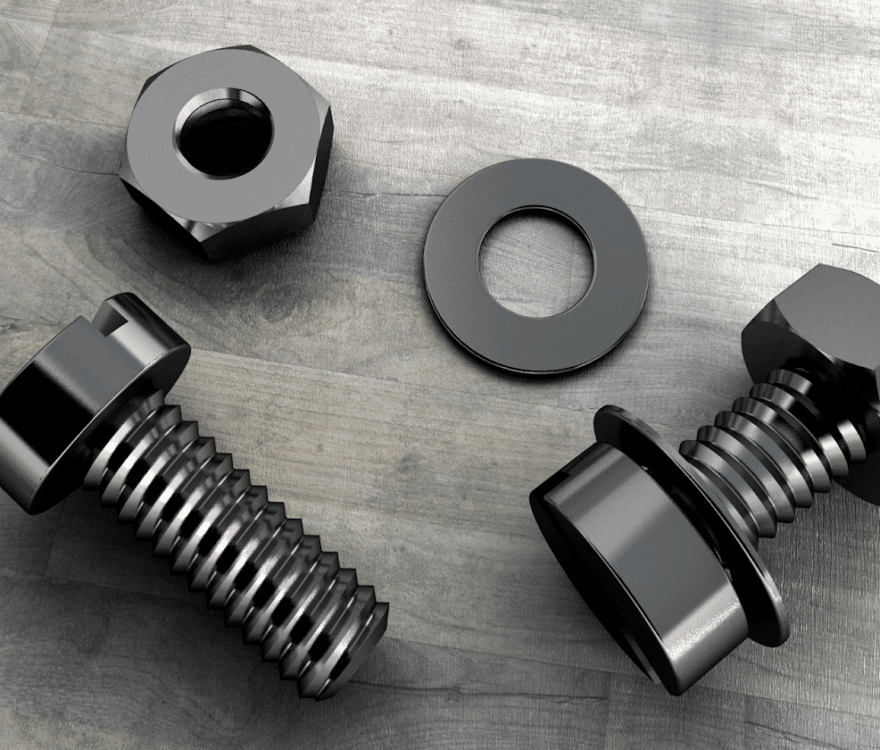
Bolts are externally threaded fasteners designed to work with nuts. Together, they create a strong clamping force that securely holds components. Unlike screws, bolts require a pre-drilled or pre-tapped hole to function effectively. You tighten bolts using external tools like wrenches or sockets, ensuring the nut applies sufficient pressure to keep parts in place.
Bolts are preferred for applications where high strength and durability are required. They are commonly used in construction, machinery, and automotive industries. Standard bolt types include:
- Hex Head Bolts: Known for their strength and versatility.
- Carriage Bolts: Feature a rounded head and square neck to prevent spinning.
- Eye Bolts: Used for lifting and load-bearing applications.
Screws: Characteristics and Features

Screws are self-threading fasteners that can secure components without needing a nut. Their threads cut into the material as they’re driven in, creating their mating thread. This eliminates the need for pre-drilled holes in many cases.
Screws are ideal for lighter applications, such as assembling wood, plastic, or thin metal sheets. They offer precision and ease of installation, making them perfect for DIY projects and smaller tasks. Common screw types include:
- Flat-Head Screws: Sit flush with the surface for a clean finish.
- Round-Head Screws: Provide a decorative and secure hold.
- Machine Screws: Ideal for use with tapped holes in metal assemblies.
What Applications Are Best Suited for Bolts vs. Screws?

Choosing between bolts vs screws depends on the type of project, the materials being used, and the level of strength required. Each fastener has specific applications where it performs best, ensuring durability and reliability.
Applications for Bolts
Bolts are engineered for heavy-duty applications requiring high strength and load-bearing capacity. They are indispensable in scenarios where a secure, durable connection is non-negotiable. Here’s where bolts excel:
- Construction: Bolts are vital in building frameworks, bridges, and structural assemblies. They provide strong and reliable joints that can withstand high stress over time.
- Machinery: Bolts secure large, moving parts in heavy machinery and industrial equipment. Their durability ensures that equipment remains operational under constant stress and vibration.
- Automotive and Aerospace: Vehicles, airplanes, and other transportation systems depend on bolts for critical joints. These connections handle immense forces and vibrations, ensuring passenger safety and structural stability.
Bolts are often used with nuts and washers to distribute the load evenly. This feature reduces the risk of material deformation and ensures a long-lasting connection in demanding environments.
Applications for Screws
Screws are better suited for lighter, everyday applications where ease of use, versatility, and quick installation are essential. Their self-threading design makes them practical for creating secure joints without additional components like nuts.
- Woodworking: Screws are ideal for assembling furniture, cabinetry, and wooden structures. They grip wood fibers securely, providing a strong bond that withstands daily wear and tear.
- Home Repairs and DIY Projects: Whether you’re mounting shelves, fixing brackets, or installing hardware, screws are the go-to choice for convenience and reliability.
- Electronics: Small screws are essential in assembling delicate devices such as laptops, smartphones, and other electronics. They offer precise fastening without damaging sensitive components.
Screws are particularly useful for applications requiring quick assembly and disassembly. Their versatility and ease of use make them a staple for professionals and DIY enthusiasts alike.
How Do Their Installation Processes Differ?

The installation methods for bolts and screws differ significantly due to their design and purpose. Understanding these differences is essential for choosing the right fastener and ensuring a secure and efficient assembly. Let’s explore the unique installation processes for bolts and screws.
Installing Bolts

Bolts require a more involved installation process compared to screws, but this is what makes them highly reliable for heavy-duty applications. Their use is often combined with nuts and washers for enhanced stability and load distribution. Follow these steps to install bolts effectively:
- Prepare the Components: Align the materials you want to fasten, ensuring the pre-drilled or pre-tapped holes are correctly aligned.
- Insert the Bolt: Push the bolt through the aligned holes, making sure it fits snugly.
- Add a Washer and Nut: If necessary, place a washer on the exposed bolt shank. This helps distribute the clamping force and protects the material’s surface. Next, thread a nut onto the bolt.
- Tighten the Connection: Use a wrench, socket tool, or torque wrench to tighten the nut and bolt. This ensures a strong connection and prevents loosening during use.
The bolt’s installation process provides exceptional clamping force, making it ideal for structural, automotive, and machinery applications where strength and durability are crucial.
Installing Screws

Screws, on the other hand, offer a much simpler and faster installation process. Their self-threading design eliminates the need for additional components like nuts. Here’s how to install screws:
- Align the Screw: Position the screw over the material, aligning it with the pre-drilled hole if necessary. Screws can often create their threads, so pre-drilling may not always be required.
- Drive the Screw: Use a screwdriver or power drill to drive the screw into the material. Apply consistent pressure to ensure smooth insertion.
- Secure to Desired Depth: Tighten the screw until it sits flush with the surface or reaches the required depth.
Screws are highly user-friendly, making them the preferred choice for woodworking, electronics, and DIY projects. Their simple installation process saves time while still providing reliable fastening.
What Are the Advantages of Using Bolts Over Screws?

While bolts and screws are essential fasteners, bolts offer unique advantages that make them superior for specific applications. These benefits stem from their robust design and ability to handle heavy-duty tasks with ease. Understanding these advantages can help you choose bolts over screws when the situation demands.
Enhanced Strength
Bolts are designed for strength and load-bearing capacity. When paired with nuts, bolts create a robust joint that can withstand significant forces. This makes them the ideal choice for applications requiring strong and secure connections, such as construction, machinery, and automotive assemblies.
Reusability
One of the standout advantages of bolts is their reusability. Unlike screws, which can lose grip after repeated use, bolts can be removed and reinstalled multiple times without compromising their performance. This makes bolts a cost-effective choice for applications that involve regular disassembly or maintenance, such as industrial machinery or modular structures.
Stability in Dynamic Environments
Bolts provide exceptional stability in environments exposed to vibrations, shocks, or dynamic forces. When used with washers and nuts, bolts ensure the joint remains secure over time. Screws, by comparison, may loosen under similar conditions, leading to potential safety risks or mechanical failure.
Greater Customization
Bolts come in a wide range of sizes, materials, and head designs, offering unparalleled customization. Whether you need a bolt for high-temperature environments or corrosion-resistant applications, there’s a design that suits your specific requirements. This versatility allows bolts to excel in demanding industries such as aerospace, construction, and heavy equipment manufacturing.
Reliability in High-Stress Applications
In high-stress environments, bolts outperform screws in maintaining structural integrity. Industries like construction, aerospace, and automotive rely on bolts for critical connections that endure extreme forces, ensuring long-term reliability and safety.
By offering superior strength, reusability, and stability, bolts stand out as the better choice for applications demanding durability and reliability. Whether you’re working in construction, manufacturing, or any heavy-duty industry, bolts provide a dependable solution that ensures the integrity of your projects.
What Role Do Materials Play in Choosing Between Bolts and Screws?

The material of a fastener is a critical factor that determines its performance, durability, and suitability for specific applications. Different materials offer distinct properties that affect how bolts and screws function under various environmental and mechanical conditions. Whether you’re assembling furniture, building a machine, or working on a construction project, understanding the role of materials ensures long-lasting and reliable joints.
Standard Materials for Bolts and Screws
Fasteners come in various materials, each designed to meet specific requirements. Below are some of the most commonly used materials and their benefits:
- Steel: Steel is the most widely used material for bolts and screws because of its exceptional strength, affordability, and availability. Standard carbon steel fasteners are versatile, handling general-purpose applications effectively. However, steel is prone to rust and corrosion if exposed to moisture, which is why protective coatings such as zinc plating are often applied.
- Stainless Steel: Stainless steel fasteners are valued for their corrosion resistance and long-lasting durability. These fasteners are ideal for outdoor use, marine environments, and settings exposed to high humidity. Stainless steel maintains its strength in both high and low temperatures, making it suitable for challenging conditions like chemical plants or food processing facilities.
- Aluminum: Lightweight yet durable, aluminum fasteners are perfect for applications requiring weight reduction, such as aerospace, automotive, and electronics. While aluminum doesn’t have the same tensile strength as steel, its corrosion resistance makes it a good option for low- to medium-load environments.
- Brass: Brass fasteners are often chosen for their decorative appearance and excellent corrosion resistance, particularly in water-related or low-stress applications like plumbing fixtures and electrical components. They are also non-magnetic, making them suitable for specific electronic applications.
Why Material Selection Matters?
Choosing the wrong material for bolts and screws can lead to premature failure or damage. For example, using standard steel in a marine environment would result in rapid corrosion, compromising structural integrity. Similarly, using a material with insufficient strength in a high-load application could lead to deformation or breakage.
How Can You Ensure the Proper Use of Bolts and Screws?

Proper use of bolts and screws is essential for ensuring a secure, durable, and efficient assembly. Incorrect installation or selection can lead to premature failure, material damage, or compromised structural integrity. By following best practices for these fasteners, you can enhance their performance and extend their lifespan.
Tips for Using Bolts
- Use Washers for Load Distribution: Always use washers to distribute the load evenly across the surface. This prevents the bolt from digging into the material and reduces the risk of deformation or damage.
- Select the Correct Bolt Length: Ensure the bolt’s length matches the material thickness and provides enough threading for the nut to tighten securely.
- Apply Thread-Locking Compounds: In applications exposed to vibrations, use thread-locking compounds to keep the nut and bolt securely in place. This prevents loosening over time.
- Tighten to the Recommended Torque: Follow the manufacturer’s recommended torque specifications to avoid over-tightening or under-tightening, which can impact the bolt’s performance.
Tips for Using Screws
- Pre-Drill Holes in Hard Materials: When working with hard materials like hardwood or metal, pre-drill pilot holes. This prevents splitting, cracking, or excessive resistance during installation.
- Avoid Over-Tightening: Over-tightening screws can strip threads or damage the surrounding material. Stop tightening once the screw is snug and secure.
- Choose Compatible Threads and Lengths: Always select screws with the appropriate thread type and length for the application. Mismatched screws can lead to weak joints or improper fit.
Conclusion
Bolts and screws are essential fasteners, each suited for specific tasks. Bolts excel in heavy-duty applications, while screws offer convenience for lighter, quick-assembly jobs. Understanding their differences and proper usage ensures reliable, long-lasting assemblies. When it comes to CNC applications or precision fastening solutions, Zintilon provides unmatched expertise.
As a leading provider of advanced CNC services, Zintilon offers tailored solutions for fastener selection, installation, and maintenance. Committed to excellence, Zintilon ensures your projects are completed efficiently and to the highest standards. Explore more about their services on Zintilon CNC.
Great, Together