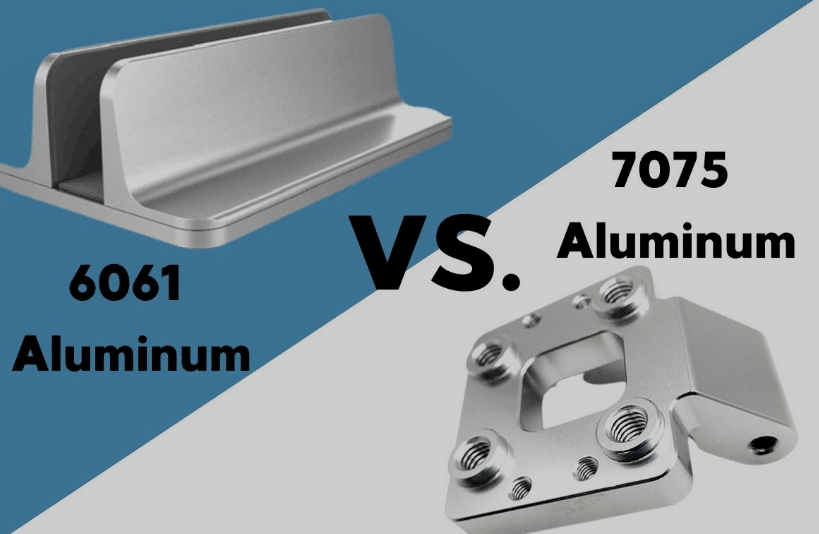
Aluminum is an excellent material for manufacturing different machine parts and items. It offers an enticing combination of low weight, exceptional strength, and commendable resistance to corrosion, making it such a great choice.
However, within the aluminum range, there are plenty of different aluminum alloy options that provide different benefits in different scenarios. Selecting the most suitable aluminum alloy for a specific project can be daunting, especially when choosing aluminum 7075 vs aluminum 6061.
No need to worry, though, because we are here with a detailed comparison of the two aluminum alloy titans. We go through an in-depth breakdown of these choices, discussing the differences, applications, pros, and cons. So, let’s go ahead with it right away.
Differences Between Aluminum 6061 vs 7075
When choosing between aluminum 7075 and 6061, you have to consider the differences between them. Because it’s the easiest way to pick one or the other, typically, these alloys differ in 4 different categories. Let’s check out how they differ in the factors in detail.
1. Strength
Strength here simply means how much weight these alloys can handle. There is a significant difference in this factor between the two choices.
7075
The clear winner would be 7075 aluminum. It’s packed with more zinc, making it much stronger than 6061 aluminum. Think of airplane wings or high-performance bike frames. They need to be incredibly strong, and that’s where 7075 shines.
6061
However, don’t think the 6061 aluminum is awful in terms of strength. It also offers a good balance of strength and is suitable for various projects, such as building materials, electrical enclosures, or boat parts.
2. Shaping Up
Next in line is the shaping up factor, which means the difficulty of shaping the material differs for each alloy type. Aluminum’s machinability, or its ease of shaping through cutting and forming, plays a crucial role in its application.
6061
In this respect, 6061 Aluminum is the clear leader. Because of its relatively soft microstructure, 6061 showcases superior machinability. This provides a distinct advantage to the alloy for projects demanding intricate geometries.
7075
On the other hand, 7075 aluminum, while praised for its exceptional strength, presents a greater challenge in terms of machinability. Its inherent structural rigidity necessitates specialized equipment and a more intensive processing approach. As a result, 7075 might not be the optimal choice for projects requiring intricate designs.
3. Joining Forces
If your work involves a lot of joining metals, then this factor is something you have to consider the most. Sometimes, you must connect separate aluminum pieces to complete the job. Here, the option for welding becomes important. For instance, strong welds are essential if you’re building a watertight boat hull.
6061
6061 comes to the rescue again! It welds beautifully, just like gluing metal pieces together. This is great for creating strong, reliable connections that can withstand water pressure.
7075
However, 7075 presents a challenge. The high heat in welding can cause it to crack in the heated area. While specialized welding techniques exist, 7075 and 6061 are the preferred choice for most projects that require reliable welds.
4. Price Tag
Every project has a budget, and material costs matter. You can easily decide whether to use an affordable material or something specific.
6061
If you want to save more money, 6061 should be your preferred choice. It’s more readily available and easier to work with. You can get them at very low prices in almost all hardware stores, whether online or physical.
7075
As for the 7075, you will need to spend a good amount of money; they aren’t easily available either. So, if you need a stronger material and get its advantages, then getting the 7075 might be worth it. But if you don’t, go for the 6061 and save some money.
Applications of Aluminum 7075 and 6061
Well, after exploring the key differences between 7075 and 6061 aluminum, we can dive into the applications of each metal. Once you go through this, you can easily relate which metal aligns with your requirements and projects the most. Now, let’s see how these properties translate into real-world applications.
7075 Aluminum
7075 aluminum, with its exceptional strength-to-weight ratio, truly soars in applications where high stress and minimal weight are crucial. You can see the use of 7075 aluminum in aerospace, automotive, and other metal gears. Let’s take a look at the applications.
Applications in Aerospace

One of the most common uses of the material is in airplanes. The immense force of the air when an airplane is going through clouds can have an immense impact on its wings during flight. To tackle that, an airplane’s wings require materials with unparalleled strength and a feather-light touch.
This is where 7075 aluminum takes center stage. Its fortified composition, enriched with zinc, allows for creation of wing spars, the backbone of an airplane’s wing. These spars bear the brunt of the lifting force generated by air flowing over the wings.
High-Performance Bicycles

For cyclists seeking peak performance, every gram counts. A heavy bike frame translates to sluggish acceleration and diminished climbing prowess. 7075 aluminum steps up to the challenge. Its exceptional strength allows for the construction of lightweight yet incredibly sturdy frames.
This translates to responsive handling, where the bike reacts instantly to the rider’s input and explosive acceleration, allowing riders to push their limits. Whether conquering steep climbs or sprinting across flat terrain, 7075 aluminum frames empower cyclists to achieve peak performance without sacrificing weight.
Rock Climbing Equipment

The reliability of rock climbing equipment is paramount for a climber suspended hundreds of feet above the ground. Carabiners, the metal clips used for clipping ropes and securing climbers, and climbing nuts, the wedges used for protection while climbing cracks in rock faces, all require immense strength.
Here again, 7075 aluminum shines. Its robust nature ensures that these critical pieces of equipment can withstand the forces generated during a fall, providing climbers with the confidence and peace of mind they need to navigate challenging climbs safely.
Firearms Components

When fired, firearms generate immense pressure within the barrel. Certain components, like the receiver, the housing that holds the firing mechanism, and some barrels, must be solid to handle these forces and ensure safe operation.
7075 aluminum, with its superior strength, is a valuable material for these crucial firearm components, contributing to these weapons’ overall reliability and safety.
Molds and tooling

Molds and tools are subjected to constant wear and tear in industrial settings. They must be incredibly strong and resist deformation to ensure consistent production of high-quality parts.
7075 aluminum, with its exceptional strength and ability to maintain its shape under pressure, is a valuable material for creating molds for casting metal parts or plastic injection molding.
6061 Aluminum
While 7075 aluminum reigns supreme in raw strength, 6061 aluminum emerges as the jack-of-all-trades, offering a compelling blend of desirable qualities that make it a prevalent choice across numerous industries. Let’s delve into the diverse applications where 6061 aluminum truly shines:
Building and Construction

The construction industry relies heavily on robust and cost-effective materials. 6061 aluminum perfectly fits the bill. Its good balance of strength and workability makes it ideal for various building components, like cladding the exterior panels that cover a building’s facade. It offers a combination of durability and aesthetics.
Additionally, 6061 finds extensive use in structural frames, such as window and door frames, providing the necessary strength to support weight and maintain structural integrity. Even temporary structures like scaffolding often utilize 6061 aluminum due to its lightweight strength and ease of assembly.
Electrical Enclosures

Electrical engineering involves protecting sensitive electrical components from environmental factors and accidental contact. Electrical enclosures, the protective boxes that house electrical components, must be sturdy and reliable.
6061 aluminum, with its good strength and excellent machinability, is the ideal material for this purpose. It can be easily shaped into complex forms to accommodate various electrical components while offering the strength to shield them from external elements.
Signage and Architectural Panels

Signage and architectural panels play a vital role in conveying information and enhancing the aesthetics of buildings. 6061 aluminum, with its ability to be shaped into various forms and its inherent corrosion resistance, is a popular choice for these applications.
From sleek and stylish building signs to intricate architectural panels adorning building facades, 6061 aluminum creates visually appealing and durable elements that can withstand harsh weather conditions.
Marine Components

The unforgiving sea environment demands materials that can withstand the constant battle against saltwater corrosion. 6061 aluminum, with its excellent corrosion resistance, is a valuable asset in boat building. It finds extensive use in various marine components, including boat hulls and decks, providing a strong and lightweight foundation for the vessel.
Additionally, 6061 aluminum is often used for railings and hatches, offering a sturdy and corrosion-resistant solution for these essential boat components. The ability to be welded seamlessly also makes 6061 aluminum ideal for creating watertight compartments within the boat.
Consumer Electronics
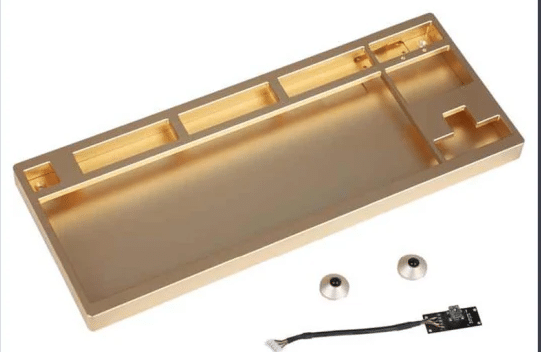
From the sleek laptops we use daily to the efficient heat sinks that dissipate heat from computer processors, 6061 aluminum plays a hidden yet crucial role in consumer electronics. Its lightweight strength and good heat dissipation make it ideal for creating laptop cases.
Additionally, 6061 aluminum is used in heat sinks, the metal fins that draw heat away from electronic components, ensuring they don’t overheat and malfunction. By offering a balance of these properties at a reasonable cost, 6061 aluminum contributes to the efficient performance and portability of many electronic devices.
Pros and Cons of Aluminum 6061 and 7075
Choosing between 7075 and 6061 aluminum boils down to carefully evaluating their strengths and weaknesses. Here, we explore the pros and cons of each aluminum alloy to understand where they shine and fall behind.
Aluminum 7075

Aluminum 7075 has various benefits that make it suitable for many different applications. However, some drawbacks can be deal-breakers for many. So, consider them carefully to see whether they meet your needs.
Pros
- Unmatched Strength
King of the aluminum strength jungle, 7075 boasts the highest tensile strength among commonly used alloys. This makes it the go-to choice for applications where immense stress needs to be handled.
- Exceptional Strength-to-Weight Ratio
It allows you to construct lightweight yet incredibly strong aircraft components or super-responsive bike frames.
- Good Wear Resistance: Thanks to its high hardness, 7075 offers good resistance to wear and tear. This makes it a suitable choice for molds and tools used in repetitive manufacturing processes or even firearm components that need to withstand the pressure of firing.
- Extended Durability: In environments where corrosion is a concern, 7075 aluminum offers a decent level of natural corrosion resistance, extending its service life without requiring additional coatings in certain applications.
- Dimensionally Stable: 7075 maintains its shape remarkably well under pressure or varying temperatures. This dimensional stability is crucial for applications requiring precise measurements.
Cons
- Difficult to Machine
The very strength that makes 7075 so desirable also presents a challenge. Machining this metal requires specialized tools and techniques, leading to longer processing times and potentially increasing production costs.
- Not Recommended for Welding
Welding can introduce heat that compromises 7075’s structural integrity, making it susceptible to cracking. While specialized techniques exist, alternative joining methods are often preferred.
Aluminum 6061

As we have already discussed, Aluminum 6061 differs in applications and fundamental qualities from 7075. This also transpires into the pros and cons of the material.
Pros:
- Good Balance of Strength:
While not the strongest, 6061 offers a respectable strength that makes it suitable for various applications. From building materials to electrical enclosures, 6061 strikes a good balance between strength and affordability.
- Excellent Machinability:
Unlike its tougher counterpart, 6061 is much easier to work with. This translates to faster machining processes, reduced production costs, and the ability to create intricate shapes for projects requiring unique aesthetics or functionality.
- Weldable:
6061’s excellent weldability allows for seamless connections using various techniques, making it ideal for boat hulls, structural components, and other applications.
- Cost-Effective
The wider availability and easier processing of 6061 make it a generally less expensive option than 7075. This translates to budget-friendly project implementation across various industries.
- Naturally Corrosion Resistant
6061 offers a decent level of natural corrosion resistance. This eliminates the need for additional coatings in some applications, reducing overall maintenance costs.
Cons
- Lower Strength
It falls short in raw strength compared to 7075. Therefore, it is not ideal for projects requiring the absolute maximum load-bearing capacity.
- Not the Best for Wear Resistance
It may not be suitable for applications experiencing constant friction or abrasion.
Conclusion
In conclusion, aluminum offers many options, but finding the perfect choice between different alloys can be challenging. This complete guide should clear the debate of aluminum 7075 vs. 6061.
If you prioritize raw strength above all else, 7075 might be your perfect partner. But if you are seeking a versatile workhorse with a good balance of strength, affordability, and ease of use, look no further than 6061 aluminum.
Great, Together